On the realities of product leadership, digital transformation, and building organizations that actually work — in international markets.

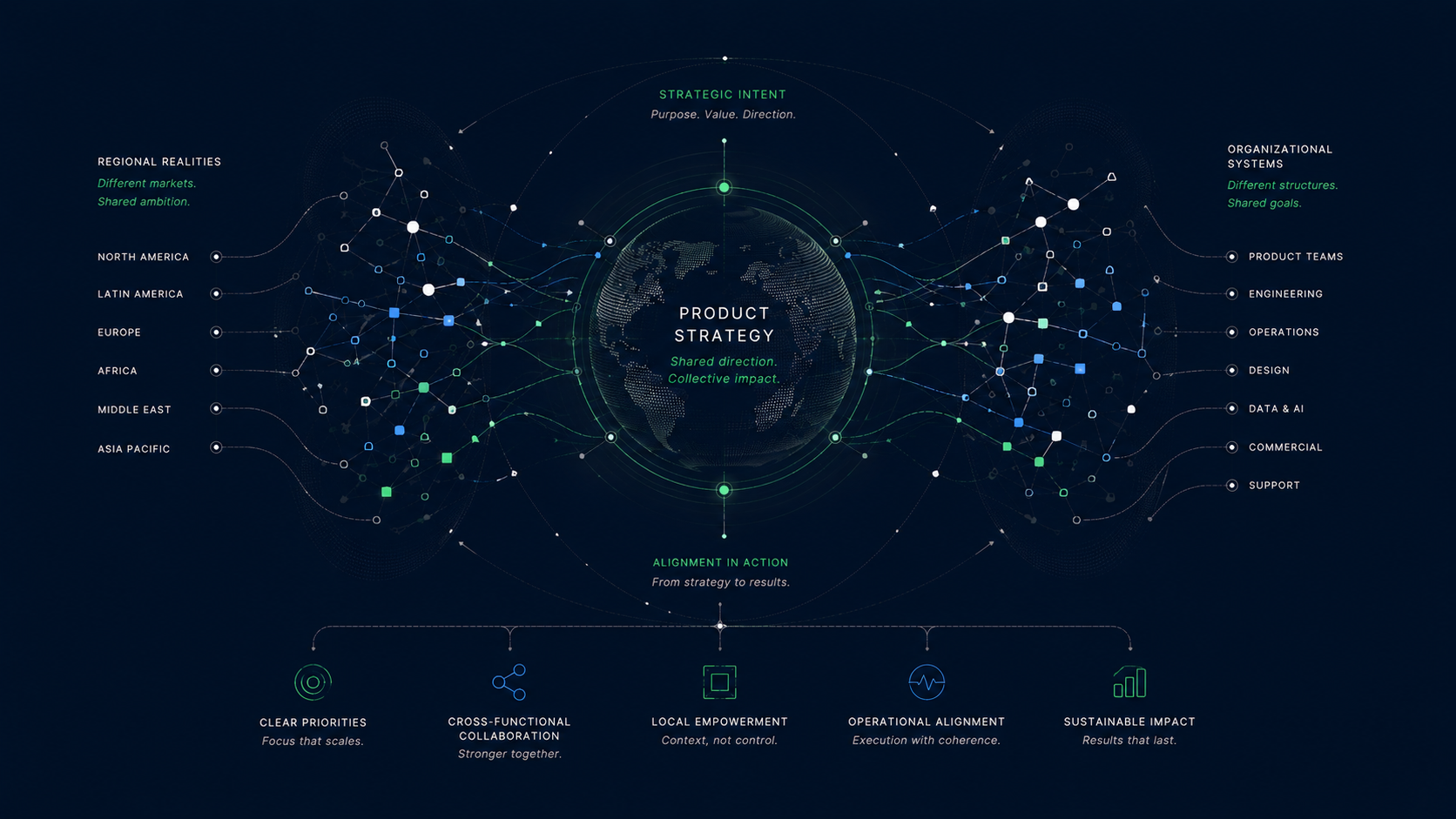
In international organizations, product strategy is rarely only about prioritization. More often, it is about alignment across cultures, teams, and different ways of understanding the same objective.

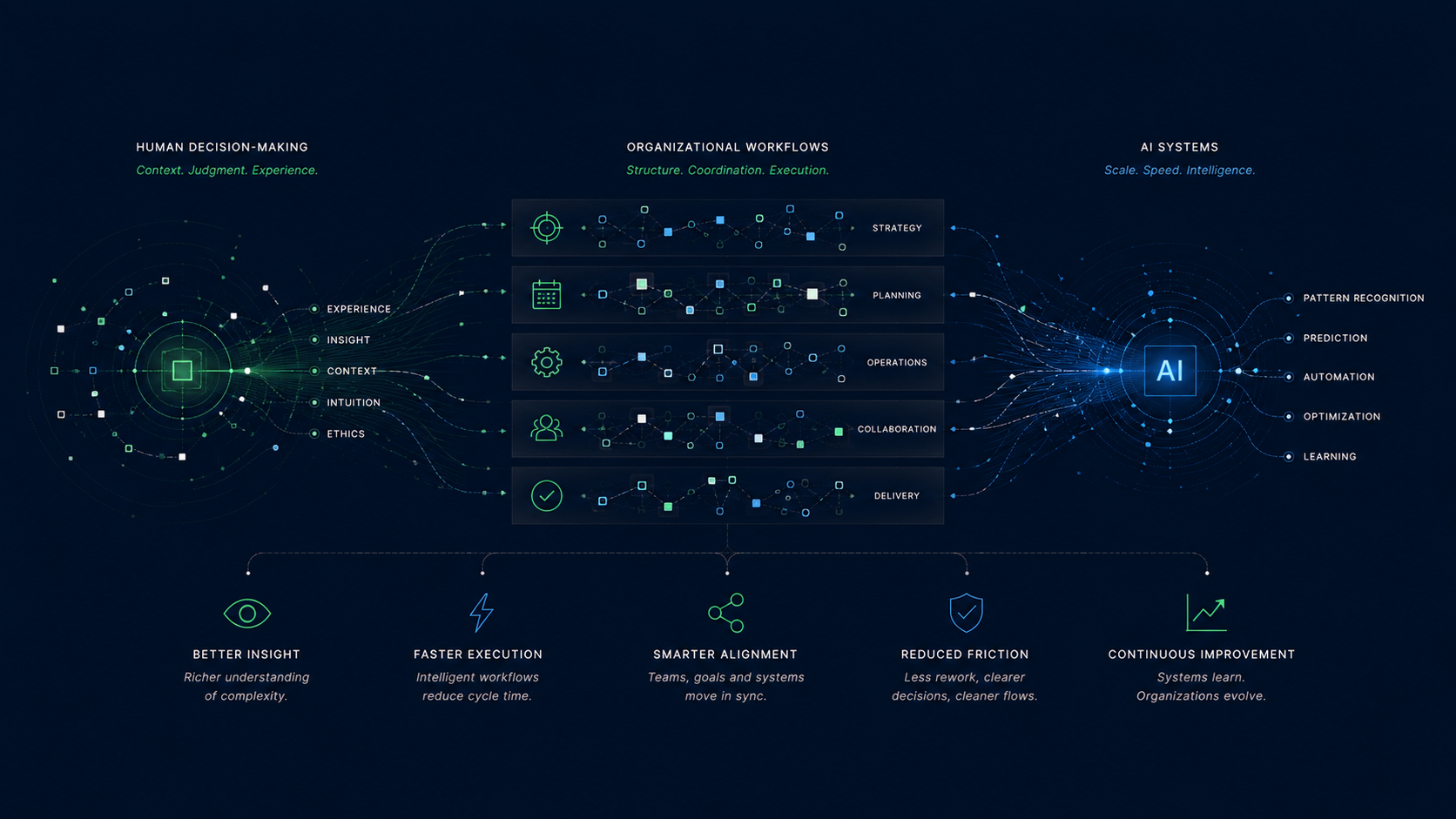
Artificial intelligence will not simply automate tasks. It will reshape how organizations communicate, collaborate, and operate across increasingly complex international environments.

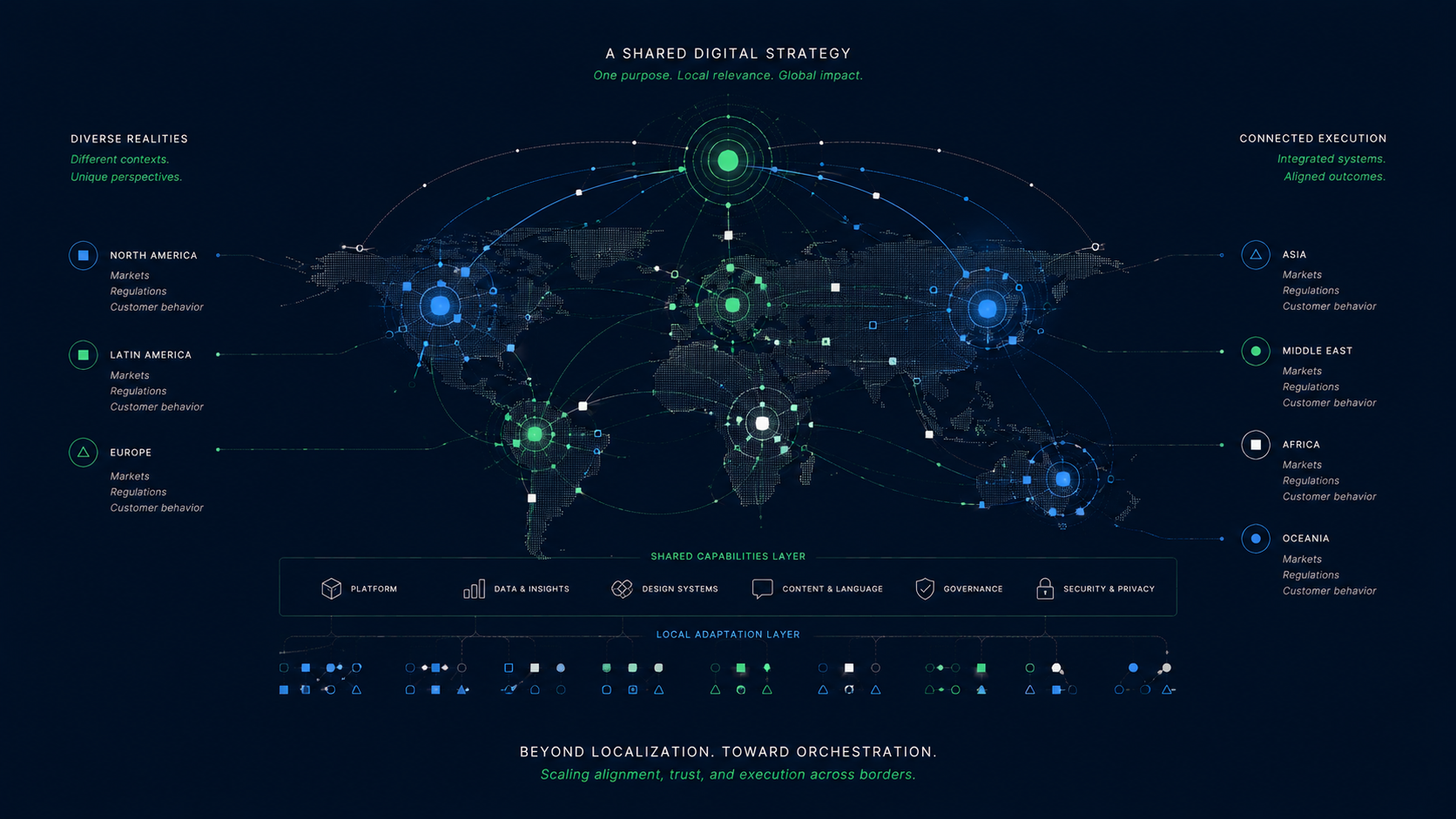
International digital growth is not simply a translation exercise. It is the challenge of scaling alignment, trust, and execution across cultures, markets, and organizational realities.

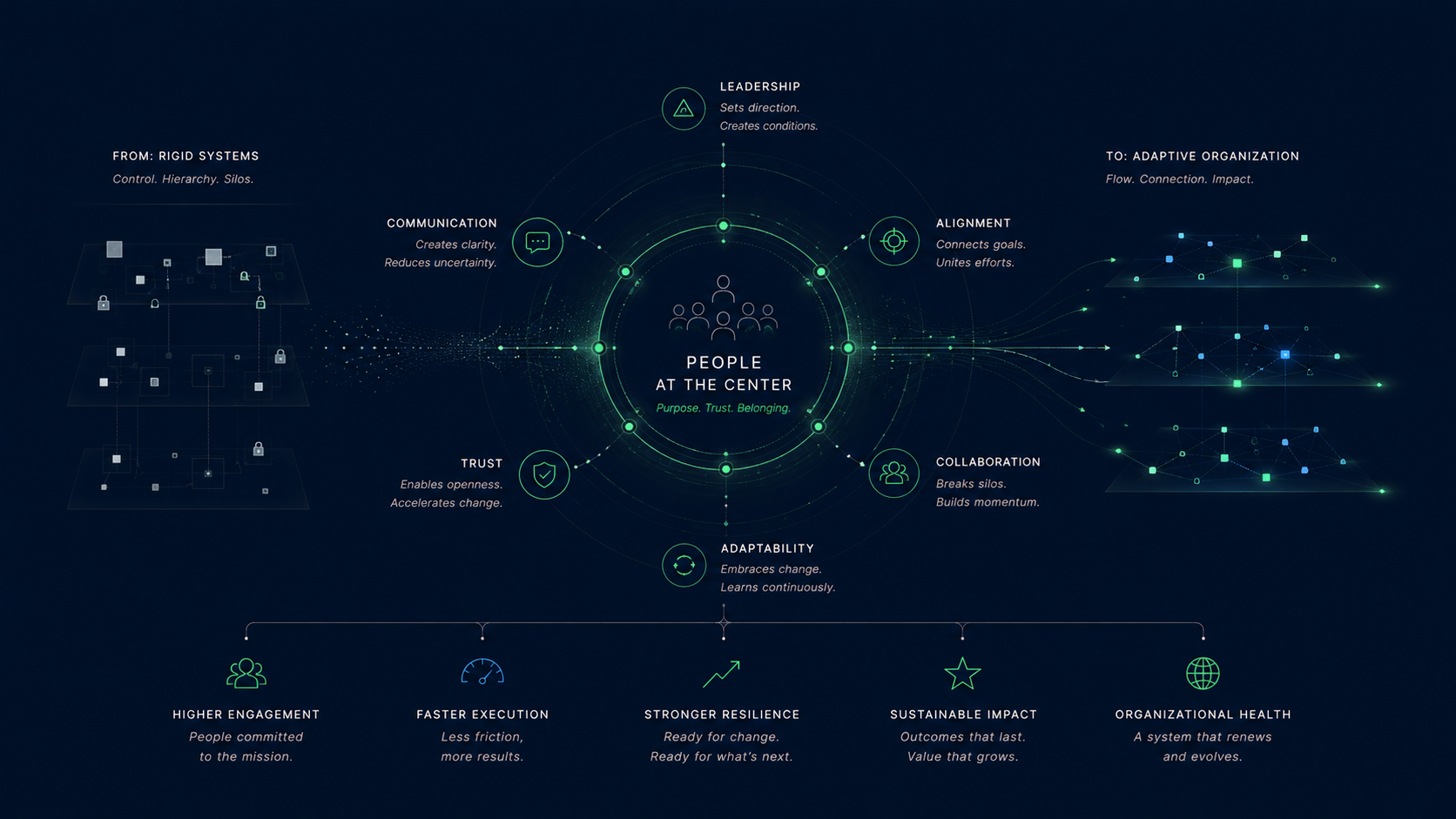
Digital transformation succeeds or fails less because of technology itself and more because of how organizations guide people through complexity, ambiguity, and change.

Many organizations try to implement empowered teams structurally while preserving the exact conditions that prevent empowerment from existing.

At scale, product management becomes less about backlog prioritization and more about translating between people, incentives, cultures, and organizational realities.

Frameworks are useful until they collide with politics, incentives, legacy systems, acquisitions, market pressure, and organizational complexity.

Modern product discourse often talks about ownership and empowerment. In practice, many product managers operate with responsibility but very limited actual authority.

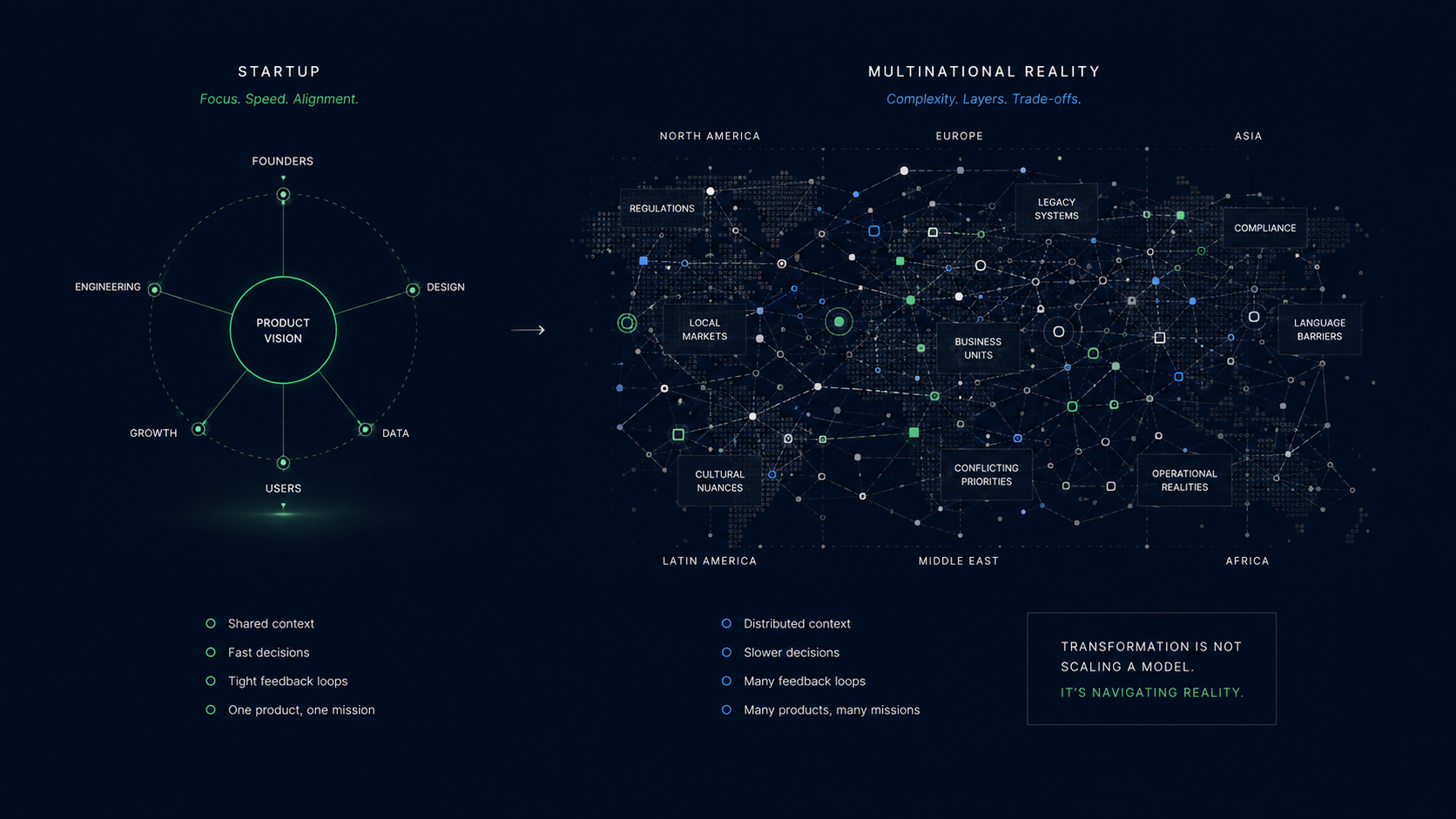
Many modern management ideas were born in highly concentrated technology environments. International organizations operate under very different realities.

A large portion of modern product thinking assumes organizations already have alignment, trust, clarity, and healthy incentives. Many companies do not.

Most transformation narratives assume organizations have the luxury of focus. In reality, many companies are trying to transform while simultaneously fighting for relevance, revenue, speed, and survival.

Many organizations are not optimizing for perfect product processes. They are optimizing for survival, speed, market pressure, and business continuity.

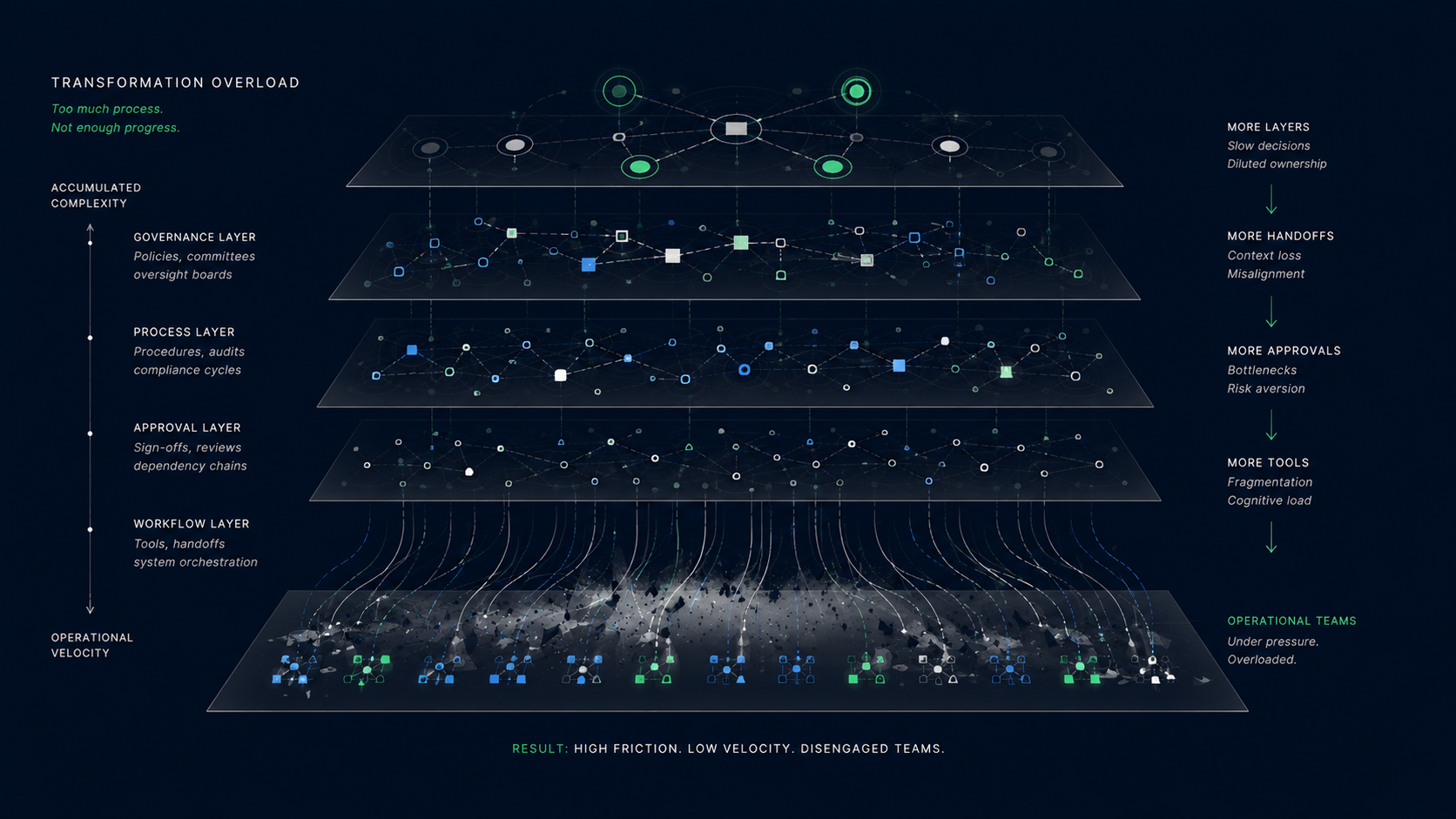
Transformation fails when organizations introduce complexity faster than teams experience meaningful operational improvement.

Transformation only matters if it strengthens a company's ability to compete, adapt, execute, and survive in increasingly demanding markets.

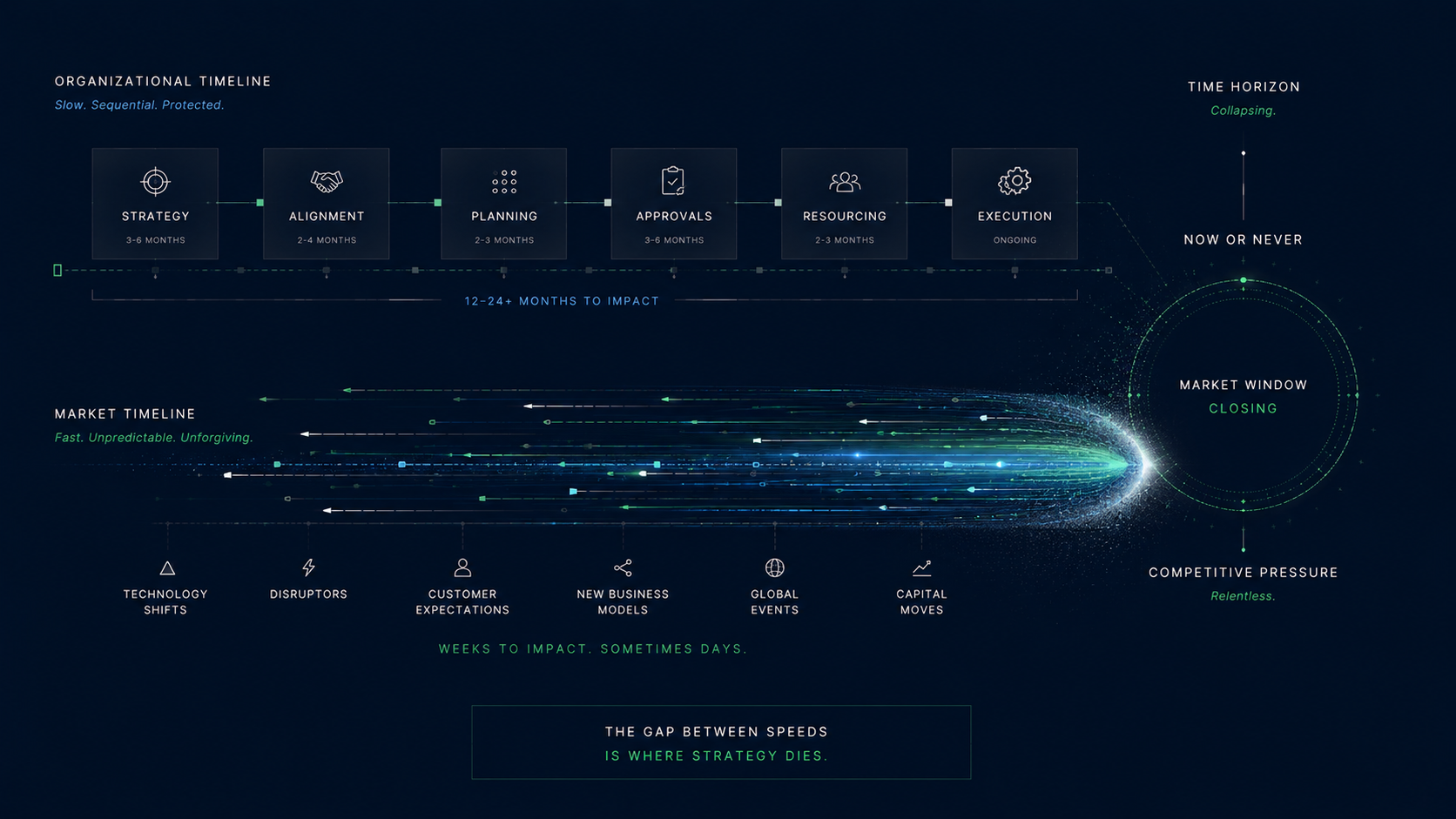
Many organizations behave as if transformation can happen gradually and comfortably while markets continue accelerating around them.
Jose Simon Muck is a Product & Digital Transformation Leader with 18+ years of experience operating across 30+ international markets. He has led digital transformation programs, scaled product organizations, and built teams across Europe, Latin America, and the Middle East — always with a focus on what actually works inside complex, real-world organizations.
View full profile →